As advanced skincare science continues to evolve, a new category of ingredients is emerging that focuses on supporting the skin's long-term well-being rather than simply addressing visible concerns after they appear. This shift has helped fuel growing interest in skin longevity, an approach centered on maintaining healthy, resilient skin throughout the aging process.
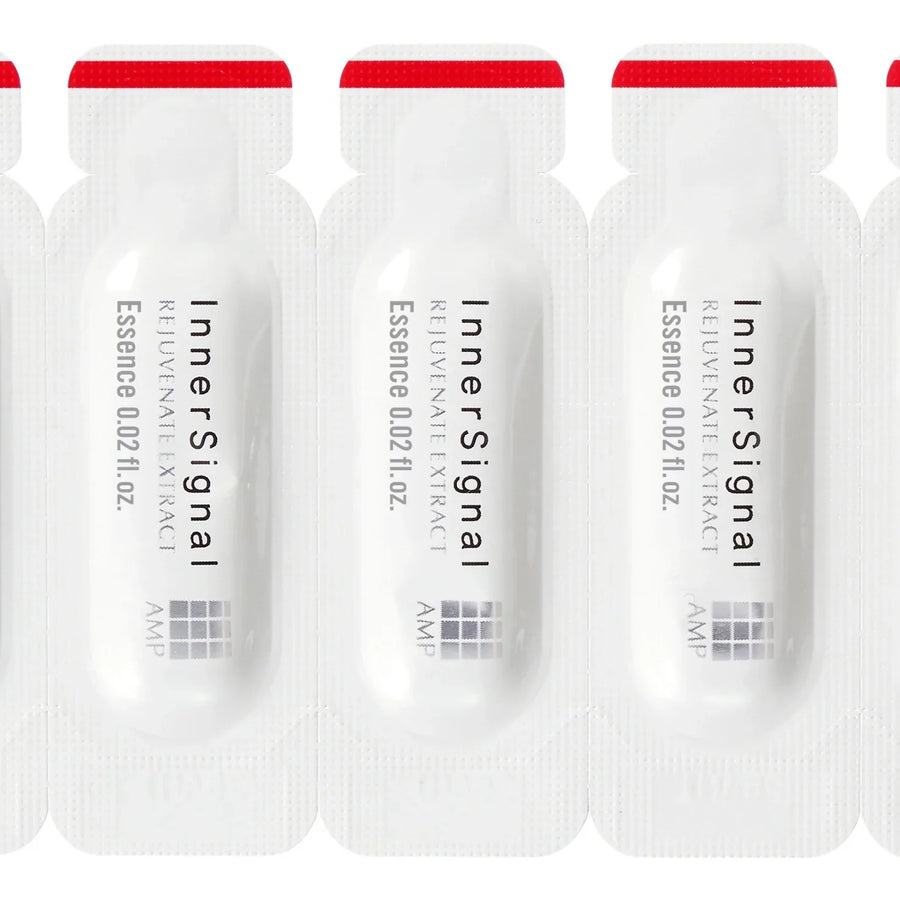
One ingredient attracting increasing attention within this category is Disodium Adenosine Phosphate. While the name may sound unfamiliar, Energy Signal AMP is the proprietary ingredient developed over decades of research in Japan by Otsuka Pharmaceutical Co., Ltd., and is featured in InnerSignal Rejuvenate Extract Serum. While the name may sound unfamiliar, Energy Signal AMP is the proprietary ingredient developed over decades of research in Japan by Otsuka Pharmaceutical Co., Ltd., and is featured in InnerSignal Rejuvenate Extract Serum. AMP itself is a well-known compound among biohackers and researchers interested in cellular health and longevity.
Understanding how Disodium Adenosine Phosphate works begins with understanding the role that energy, skin renewal, and cellular health play in maintaining healthy-looking skin over time.
What Is Disodium Adenosine Phosphate?
Disodium Adenosine Phosphate is a stable form of adenosine monophosphate (AMP). It is uncommonly used in skincare formulations as it is difficult to make it stable. AMP is a naturally occurring nucleotide found throughout the body and plays an important role in energy-related biological processes.
Because AMP itself can be challenging to formulate into topical skincare products, researchers developed Disodium Adenosine Phosphate as a stable cosmetic form that can be incorporated into skincare formulations while maintaining its intended functionality.
In InnerSignal skincare, Disodium Adenosine Phosphate is known as Energy Signal AMP, a proprietary ingredient designed to support the skin and promote the appearance of long-term skin well-being.
Disodium Adenosine Phosphate aligns closely with the principles of skin longevity science, which emphasize supporting overall skin well-being and maintaining youthful-looking skin over time.
Why Skin Cellular Health Matters
Healthy skin depends on billions of individual cells working together to maintain hydration, barrier function, texture, tone, and resilience.
Every day, the skin undergoes continuous renewal while responding to both internal biological changes and external environmental stressors. These processes rely on coordinated biological activity to maintain normal skin function. When these functions operate efficiently, skin typically appears smoother, brighter, and more even.¹
As skin ages, however, many of these natural processes gradually become less efficient. Environmental stressors, ultraviolet exposure, lifestyle factors, and the natural aging process can all contribute to slower renewal and reduced skin vitality.
This is where the concept of cellular health becomes important.
Skin cellular health refers to the ability of skin cells to perform their normal functions effectively, including renewal, hydration, barrier support, and communication with surrounding cells. Healthy cells contribute to strong barrier function, consistent hydration, balanced skin tone, and efficient renewal.
Modern research on skin longevity increasingly focuses on supporting these fundamental biological processes rather than simply masking visible signs of aging.
Understanding the Skin Turnover Cycle
One of the most important biological processes affecting skin appearance is the skin turnover cycle.
The outermost layer of the skin is constantly renewing itself. New skin cells are produced in deeper layers and gradually move toward the surface. As they reach the outermost layer, older cells are naturally shed and replaced by newer ones.
This continuous cycle helps maintain healthy-looking skin and contributes to a smoother texture and a more even appearance.
During youth, skin turnover generally occurs relatively quickly. As the years pass, however, the process naturally slows.
When turnover becomes less efficient, dead skin cells can accumulate on the skin's surface. Over time, this may contribute to dullness, uneven skin tone, dryness, rough texture, reduced radiance, and the appearance of age spots.
Supporting healthy skin turnover has therefore become a major focus of both dermatological research and longevity-focused skincare development.
How Disodium Adenosine Phosphate Works
Disodium Adenosine Phosphate is designed to support the skin's natural renewal environment as part of a long-term approach to maintaining youthful-looking skin.
As a stable form of AMP, it is designed to support the skin, helping maintain a healthy, renewed-looking appearance over time.
Rather than forcing rapid exfoliation or creating temporary changes at the skin's surface, Disodium Adenosine Phosphate works in harmony with the skin's natural processes.
This distinction is important.
Healthy-looking skin depends on a variety of natural functions working together over time. By supporting the skin's natural renewal environment, Disodium Adenosine Phosphate aligns with a long-term approach to maintaining youthful-looking skin.
The goal is not to override the skin's natural functions but to help maintain them as efficiently as possible throughout the aging process.
The Benefits of Disodium Adenosine Phosphate in Skincare
Because Disodium Adenosine Phosphate supports the skin, it offers several potential benefits for individuals seeking an effective approach to visibly healthy skin.
Supports Healthy Skin Renewal
The ingredient helps to support maintaining healthy-looking skin.
As new cells emerge and older cells are naturally shed, skin may appear fresher and more vibrant.
Promotes a More Radiant Appearance
Efficient skin turnover helps reduce the buildup of older surface cells that can contribute to dullness.
By supporting the skin, Disodium Adenosine Phosphate may contribute to a brighter, more radiant appearance over time.
Supports Even-Looking Skin Tone
Research involving Disodium Adenosine Phosphate has explored the relationship between skin's appearance and pigmentation concerns. Some advanced research has also shown promising results in reducing the appearance of age spots.
Over time, Disodium Adenosine Phosphate can contribute to a brighter, even-tone complexion and support the reduction of age spots.
Encourages Long-Term Skin Radiance and Firmness
Unlike ingredients designed primarily for short-term cosmetic improvements, Disodium Adenosine Phosphate is aligned with skin longevity principles.
Its focus on supporting the skin's moisture barrier makes it particularly relevant for individuals interested in maintaining visibly healthy skin over the long term.
What Research Says About AMP and Skin Renewal
Scientific interest in Disodium Adenosine Phosphate continues to grow as researchers learn more about its relationship to the visible signs of healthy aging.
Research has explored the relationship between Disodium Adenosine Phosphate and skin appearance, including studies examining the connection between skin radiance and the visible appearance of age spots. At the same time, growing interest in skin longevity has highlighted the importance of supporting the skin's resilient, healthy-looking appearance over time.
Together, these findings help establish the scientific foundation for ingredients such as Disodium Adenosine Phosphate, which supports the appearance of healthy, renewed-looking skin.
Why Disodium Adenosine Phosphate Is Emerging as a Skin Longevity Ingredient
The future of skincare is increasingly focused on supporting skin health before visible concerns become more pronounced.
This philosophy lies at the heart of skin longevity.
Disodium Adenosine Phosphate, or AMP, represents this shift by focusing on the qualities that help skin remain bright, smooth, and vibrant over time. As a stable form of AMP, it is designed to support the skin's appearance while aligning with the growing understanding that long-term skin health is about more than surface-level treatments alone.
As consumers become more interested in science-backed skincare and healthy aging, ingredients like Disodium Adenosine Phosphate are helping redefine what effective skincare looks like. Instead of focusing solely on short-term cosmetic improvements, they support a future-focused approach centered on renewal, resilience, skin longevity, and long-term skin vitality.
¹ Nguyen NH, Lee YI, Kim YJ, et al. Translational Evaluation of a Disodium Adenosine Monophosphate (AMP2Na)-Based Topical Formulation for Physiology-Aligned Skin Rejuvenation: Integrated In Vitro, Ex Vivo, and Clinical Evidence. International Journal of Molecular Sciences. 2026;27(11):4840.